Audiologists have a minimum of a masters degree and many have earned either a clinical doctorate (Au.D) or academic doctorate (Ph.D) status. The minimum entrance degree for Audiology is now the Au.D. degree. This means that your services are being provided by a professional who has between six and eight years of college education with two to four of those years spent exclusively in the areas of ear and hearing disorders. There are no other professionals better trained or able to serve your hearing needs.
The results of the audiological evaluation are a critical factor in helping to determine the need for hearing aid(s), the type of hearing aid(s) and whether one or two aids are needed. The audiologist will review the results of your evaluation and weigh personal preferences, lifestyle, and overall health to provide various options and recommendations for remediation, if needed.
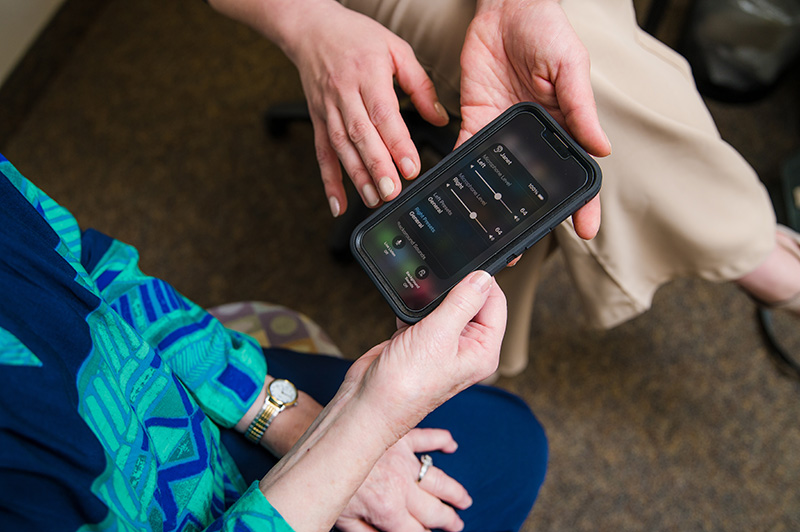
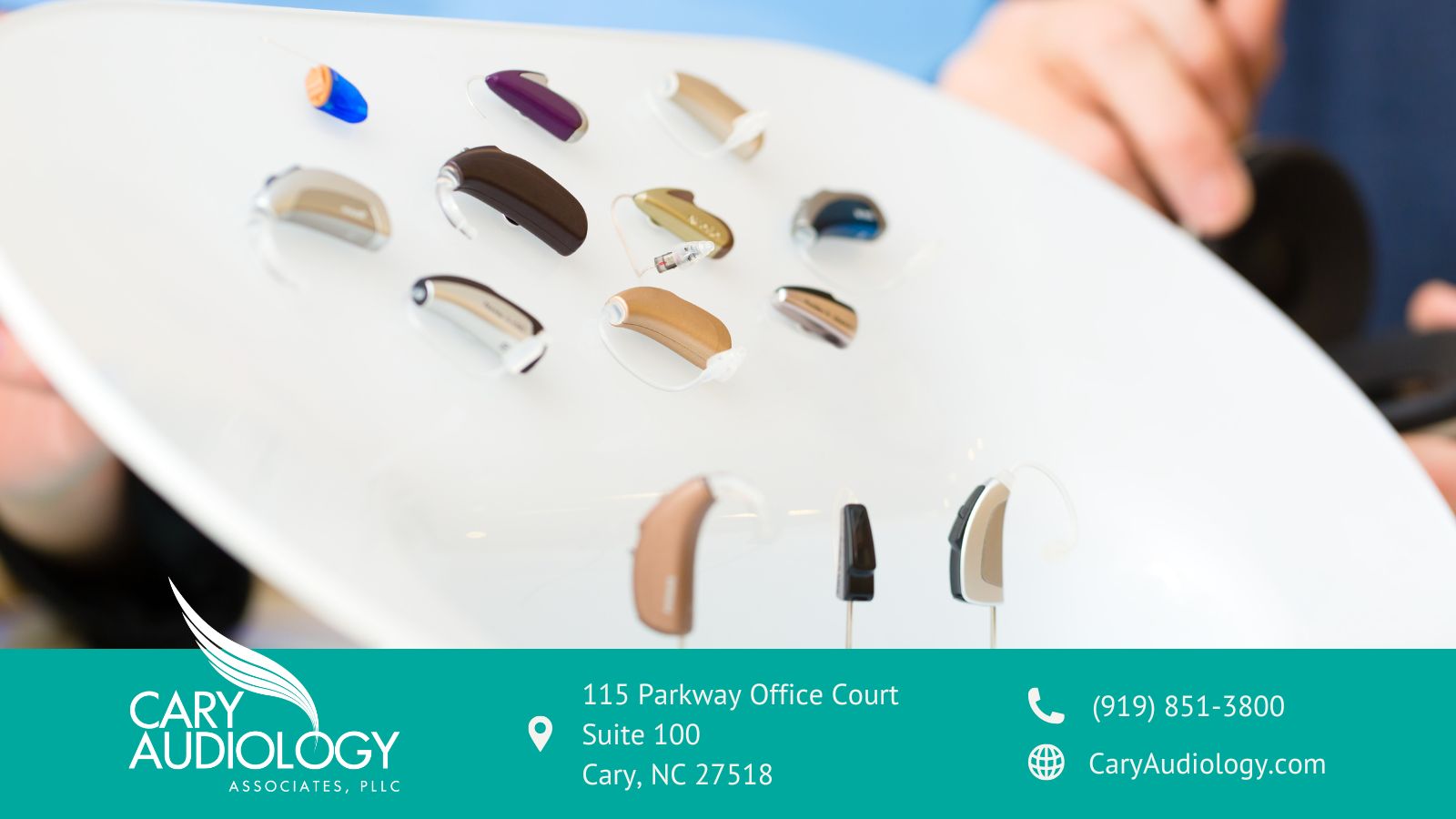
Hearing aids are available in a variety of sizes and shapes, from instruments that fit behind the ear to instruments that totally fit within the ear canal and are minimally visible. Electronic circuitry has advanced significantly in the recent past, allowing patients greater sound comfort and improved speech recognition in noisy situations, to name a few. Digital hearing aids, which are adjusted via a computer connection, provide the most flexibility, allowing the audiologist to custom fit the response of the device to a specific hearing loss. Digital hearing aids can be modified if hearing changes or as your listening needs change. Your audiologist will help you choose the best instrument according to your needs and your budget.
Lyric® is the first and only extended wear hearing device that is 100% invisible. Lyric is comfortably placed completely inside the ear canal by the audiologist and can be worn 24 hours a day, seven days a week, for months at a time. Like conventional hearing aids, Lyric will be programmed for your specific hearing needs. You will be able to adjust the settings and volume on your device as needed, as well as turn the device on and off.
Despite advances in hearing aid technology, no hearing aid has been designed that will filter out all background noise. However, directional microphone technology and improved signal processing can significantly improve word understanding in many noisy situations. We will be happy to discuss this option during the hearing aid consultation.
Properly selected and fit hearing aids are very successful. We recognize however, that it is important that every hearing aid patient have a forty-five day trial opportunity. This provides ample time for you to learn about amplification. It also allows time for adjustment to improved hearing and affords the audiologist time to fine-tune your instruments. At the end of the forty-five days, you will have a realistic appreciation of hearing aid performance. If you are not completely satisfied, the hearing aids can be returned for a full refund minus a small trial fee.
Prices vary greatly depending upon circuit technology and hearing aid size. Prices range between eight hundred dollars and thirty-five hundred dollars per hearing aid. There are programs available that will provide a hearing aid to those that otherwise cannot afford one.
Unfortunately, the answer is no. Hearing aids are not considered "necessary or reasonable" according to Medicare guidelines and are generally an out-of-pocket expense.
Typically, standard health insurance does not cover hearing aids. However, there are infrequent occasions when special hearing aid benefits are included in health care coverage. Check with your insurance agent or human resources department to learn if your insurance includes hearing aid benefits. If hearing aids are covered, ask if pre-authorization is required and specific information about the extent of the benefits.
Cary Audiology Associates PLLC © • Copyright 2010
115 Parkway Office Court, Suite 100 • Cary, NC, 27518 • (919) 851-3800
Monday - Thursday: 8:30 to 5:00 pm • Friday: 8:30 to 12:00 pm