Hearing loss often occurs so gradually that the individual may not be aware of a problem. In fact, it is not uncommon for a hearing loss to be first detected by a family member, who has to speak louder or repeat themselves. Early signs of hearing loss include:
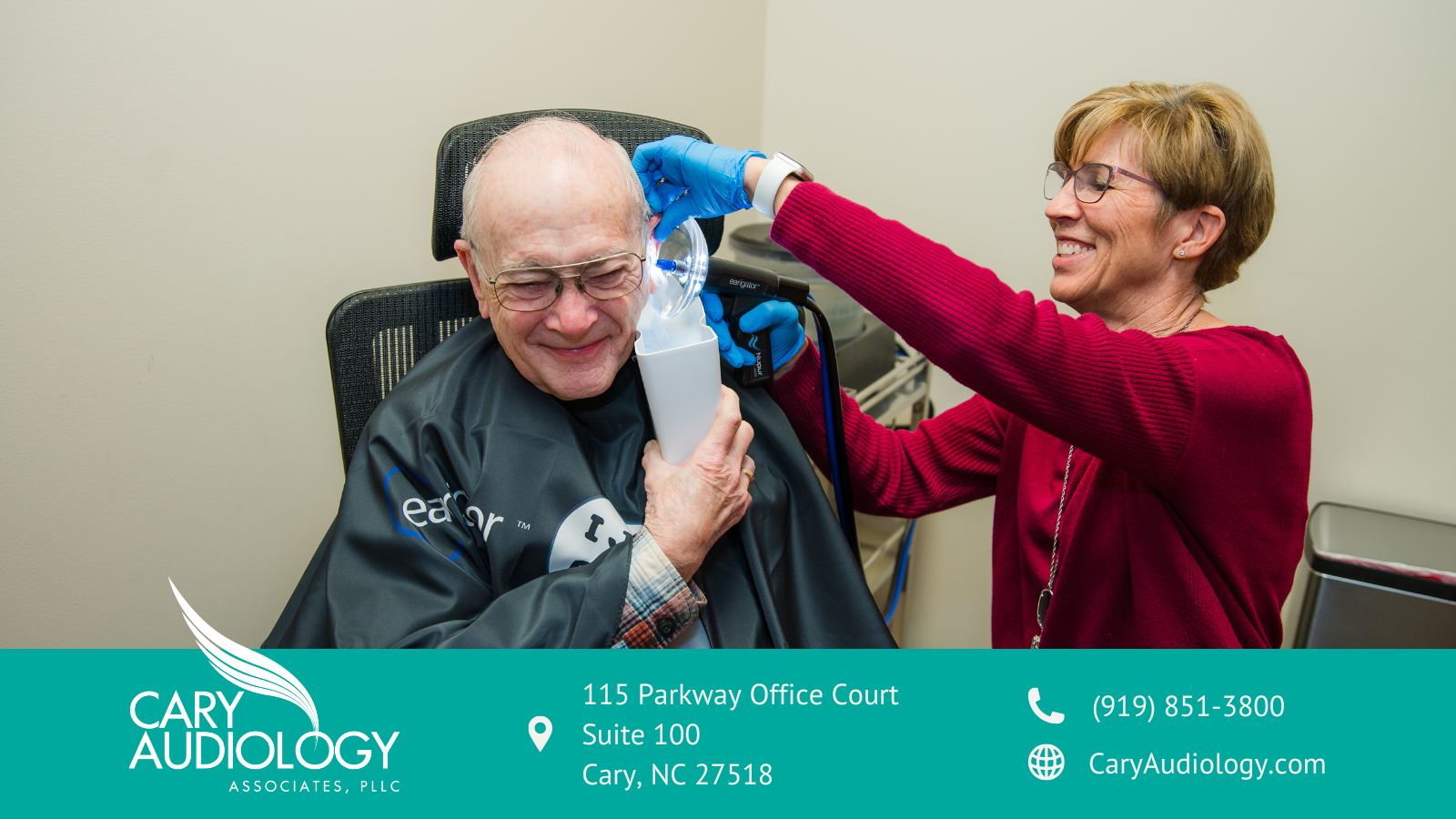
Hearing loss can have many causes. Most common is the deterioration of inner ear structures due to aging. Occupational and recreational noise exposure are major contributors to pre-mature hearing problems. Even excessive ear wax can cause temporary hearing loss. Young children can frequently have temporary hearing loss as a result of middle ear fluid that can be successfully treated by appropriate medical care.
Hearing nerve loss, also called sensorineural hearing loss, is the most common type of hearing problem. It is the result of damage to the inner ear. It is typically irreversible and permanent. Hearing loss due to aging and noise exposure are examples of nerve hearing loss. The treatment for sensorineural hearing loss is amplification through hearing aids.
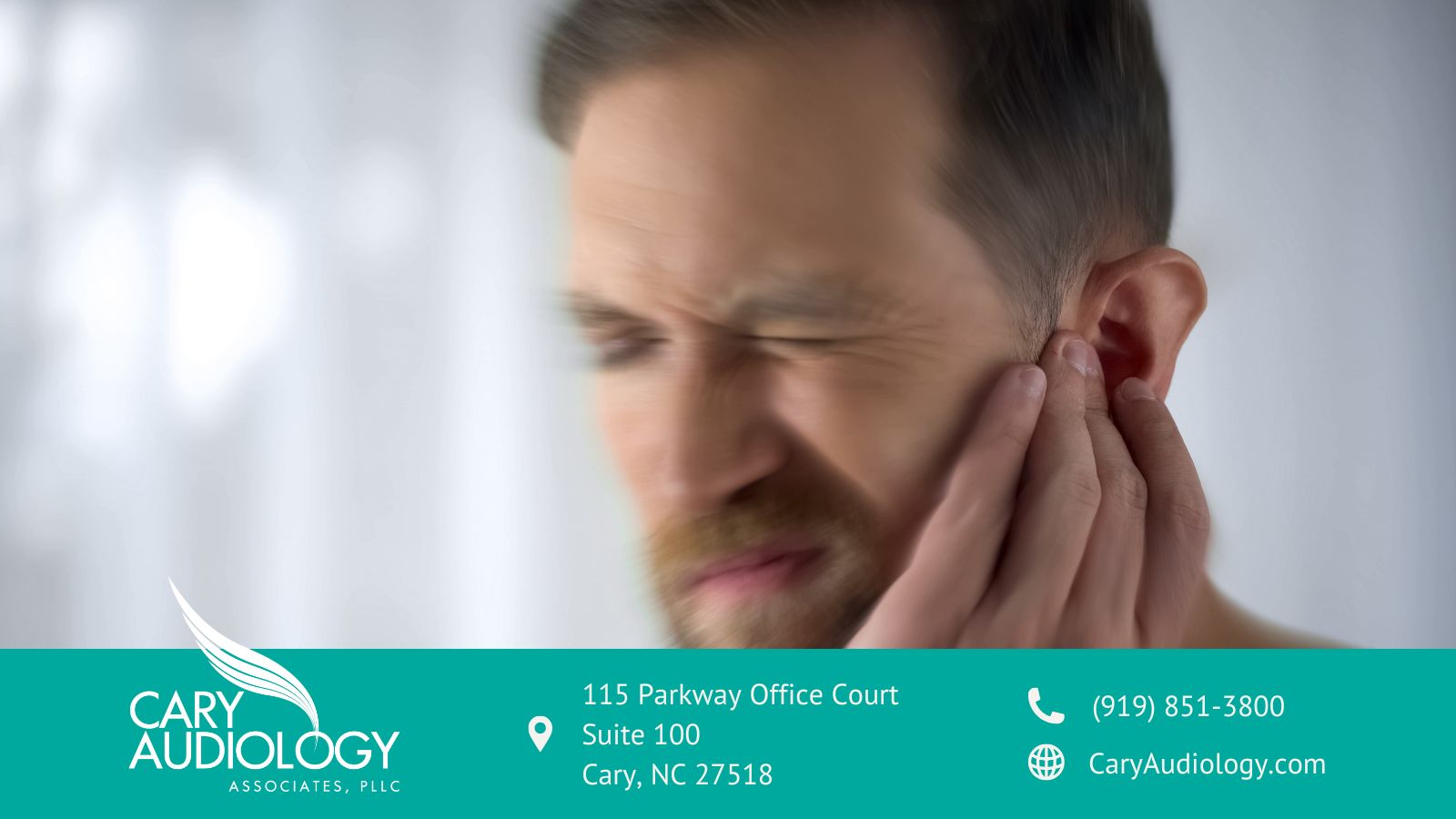
Tinnitus is a common symptom indicated by a ringing, roaring, 'cricket-like' or other noise in the ear and/or head. It is associated with a variety of ear conditions but is commonly associated with sensorineural hearing loss. In most cases, medication and surgical intervention do not effectively cure this problem. In severe cases, tinnitus therapy may be indicated.
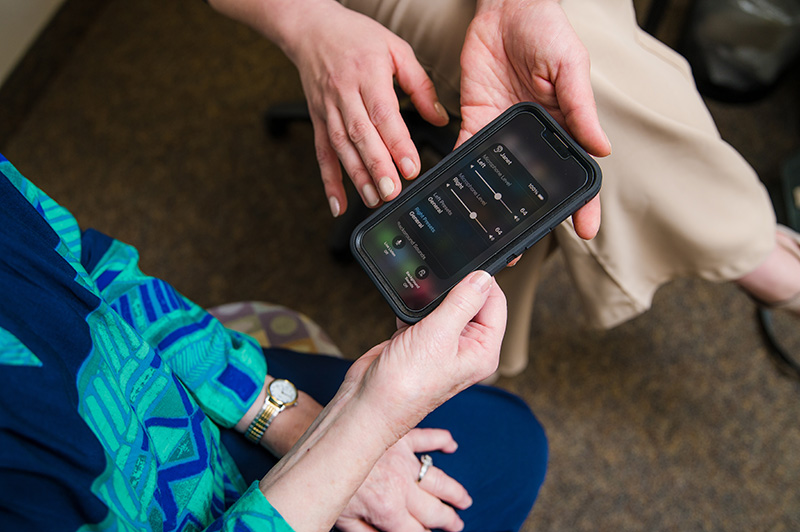
If you suspect that you have a hearing loss, consult with an audiologist. The audiologist will identify, diagnose, treat and manage your hearing loss. An audiologist is trained to identify whether a hearing loss requires medical or non-medical treatment and will refer you to the appropriate medical specialist when necessary. If your condition is not medically treatable, your audiologist will guide you toward the appropriate intervention, which may include hearing aids.
Prices vary greatly depending upon circuit technology and hearing aid size. Prices range between eight hundred to thirty-five hundred dollars per hearing aid.
Medicare will pay for the initial audiological evaluation, but unfortunately, they will not pay for hearing aids. Hearing aids are not considered “necessary or reasonable” according to Medicare guidelines and are generally an out-of-pocket expense.
Typically, standard health insurance does not cover hearing aids. However, there are infrequent occasions when special hearing aid benefits are included in health care coverage. Check with your insurance agent or human resource department to learn if your insurance includes hearing aid benefits, the need for pre-authorization, and the extent of that coverage.
A wide range of products, often referred to as assistive listening devices (ALDs), are available to help people hear better in specific situations. For example, assistive listening devices are available to improve hearing while watching television or for group-listening situations such as movies, lectures or religious services. Specific devices are also available for individuals who have difficulty hearing the doorbell, car signal, or emergency alarms. Telephone amplifiers are available for individuals who are experiencing difficulty understanding speech while using the telephone.
Speak with your audiologist concerning other ALDs that may be beneficial for your specific situation.
Cary Audiology Associates PLLC © • Copyright 2010
115 Parkway Office Court, Suite 100 • Cary, NC, 27518 • (919) 851-3800
Monday - Thursday: 8:30 to 5:00 pm • Friday: 8:30 to 12:00 pm